Twin it
with stallion
Twin it with stallion
Case Study and Use Case-
Digital Twin
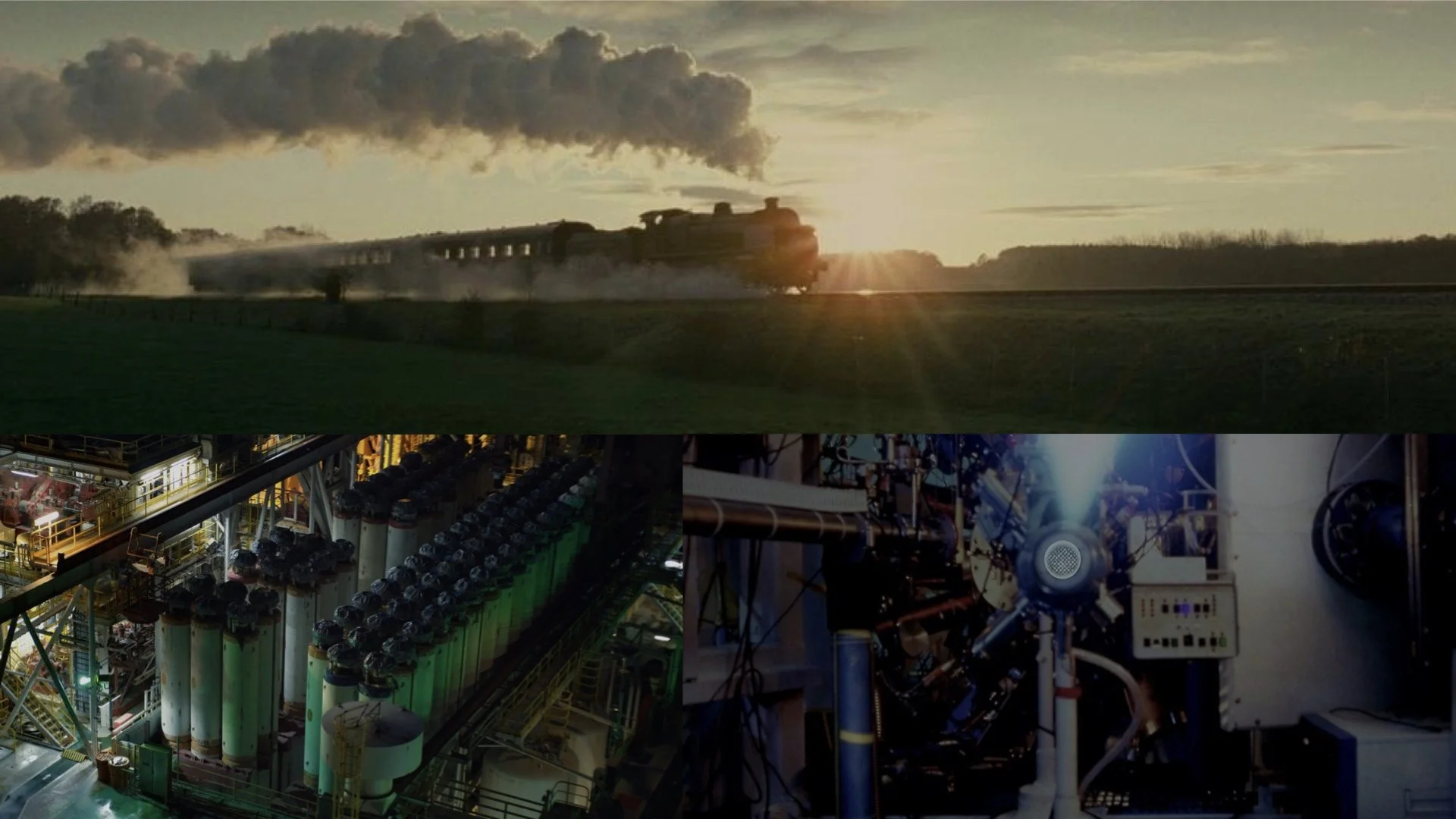
Steam Engine Generator
A Steam Generator Digital Twin (SGDT) is a virtual replica of a physical steam generator, used for simulation, monitoring, and optimisation of its operation. It combines physical models with real-time data to provide insights into the generator's behaviour, enabling predictive maintenance, performance analysis, and operational improvements. By leveraging advanced technologies such as AI, IOT and real-time data analytics. By reducing downtime and maintenance costs while enhancing safety and compliance with nuclear industry standards.
Chosen this steam engine generator as a case study and prototype. Steam engine generator is the closest we can come to show the expertise in thermal tokamaks and centrifugal physics simulations that represents the same physics as a Nuclear Reactor..
1. Digital Twin Architecture Physical Layer: Instrument steam generators with: Distributed fibre-optic sensors (temperature, pressure, vibration). Acoustic emission sensors for leak detection. Corrosion monitors (e.g., electrochemical noise probes). Data Layer: Real-time data ingestion via cloud-based platforms (e.g., C3 AI Suite) Integration with plant SCADA and IoT systems. Simulation Layer: Physics-based FEM models (e.g., ANSYS) for thermal-hydraulic and structural analysis. Machine learning (ML) modules for anomaly detection (LSTM networks). AI Augmentation: Graph Neural Networks (GNNs) to map component interdependencies and failure pathways Digital twin "mirror" for real-time control adjustments.
2. Predictive Analysis Process Data Acquisition: Collect sensor data (temperature, pressure, strain) at 1-second intervals. Fuse with operational logs (e.g., coolant chemistry, power cycles). Anomaly Detection: Train ML models on historical failure data (e.g., tube cracks, fouling) to flag deviations. Use unsupervised learning (autoencoders) for novel fault identification. Prognostics: Physics-informed ML (e.g., PINNs) to simulate degradation scenarios (e.g., stress corrosion cracking). Output: RUL estimates and failure probability curves. Prescriptive Actions: Generate maintenance alerts via dashboard (e.g., "Replace tube bundle"). Optimise operational parameters (e.g., adjust feedwater flow to reduce thermal stress)